


.jpg)


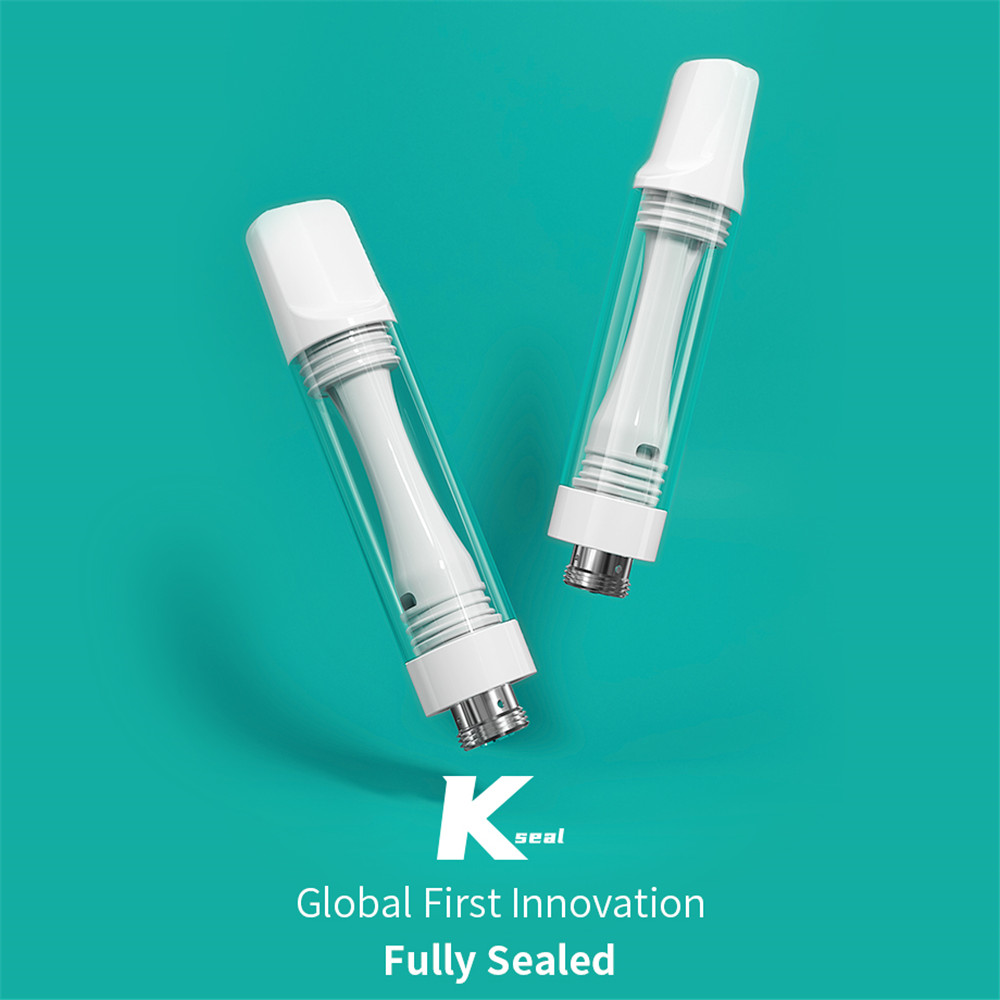


Clogging is a common performance issue for All-in-One vape devices. Weak airflow or difficult draw can stem from multiple factors including oil viscosity, temperature, condensation, oil migration, and hardware design.

Why Do All-in-One Devices Experience Clogging?
1.Oil Viscosity and Temperature
Low temperatures increase oil viscosity and slow down fluid flow. Excessively high temperatures may raise the risk of oil migration or over-feeding, with outcomes varying based on oil formulation and device design.
2.Condensation and Oil Migration
Vaporized oil may cool and form residue within airflow passages or around the mouthpiece. Buildup over time can restrict airflow. Sustained, hard draws can also increase the likelihood of oil entering the airflow path.
3.Hardware Design and Oil Compatibility
Heating structure, oil intake design, airflow channels, and sealing performance all influence oil flow and overall device performance. Different oil formulations require corresponding hardware design matching.
How to Mitigate Clogging Risks
The following practices can reduce potential clogging risks during daily use:
- Store the device upright whenever not in use.
- Avoid prolonged exposure to extreme temperature environments.
- Draw slowly and steadily; refrain from continuous hard draws.
- Inspect the mouthpiece regularly and remove visible residue.
- Operate per the brand’s recommended storage and usage conditions.
If normal airflow cannot be restored after basic cleaning, discontinue use and follow the brand’s relevant instructions for handling. If clogging persists across multiple devices or production batches, further review of oil formulation, hardware compatibility and manufacturing processes is recommended.
How Hardware Design Reduces Clogging Risks
Clogging risk mitigation should also begin at the hardware design stage.
1.Postless Architecture and Airflow Design
Eliminating the central post removes structural obstructions within the airflow path. Combined with well‑engineered airflow channels, this helps improve airflow performance.
2.Oil Intake Ports and Oil Compatibility
For reservoir structures with a central post, the size and quantity of oil intake ports affect oil flow. Matching oil‑intake design to oil viscosity helps maintain consistent oil supply and lowers residue buildup risks.
3.Uniform Heating
Stable, uniform heating helps minimize localized overheating and residue accumulation, enabling more consistent oil vaporization.
How BOSHANG Helps Brands Reduce Clogging Risks
Clogging risk mitigation should start during product development, rather than addressing issues post‑launch.
During OEM/ODM development, BOSHANG conducts a comprehensive evaluation of the interplay between oil characteristics, heating, oil feeding, airflow, voltage and hardware configurations. We optimize device solutions tailored to the brand’s target oils and product requirements.
Our objective is not to guarantee zero‑clogging devices, but to help brands identify potential risks during development and reduce the likelihood of clogging occurrences via sound hardware design from the source.
Contact BOSHANG to explore customized hardware solutions for your brand.
Visit www.boshangvape.com to learn more.
Post time: Aug-28-2026